About Makka Maize
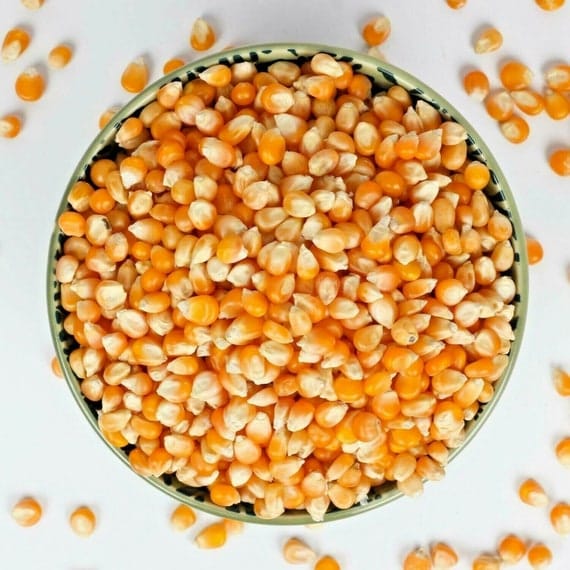
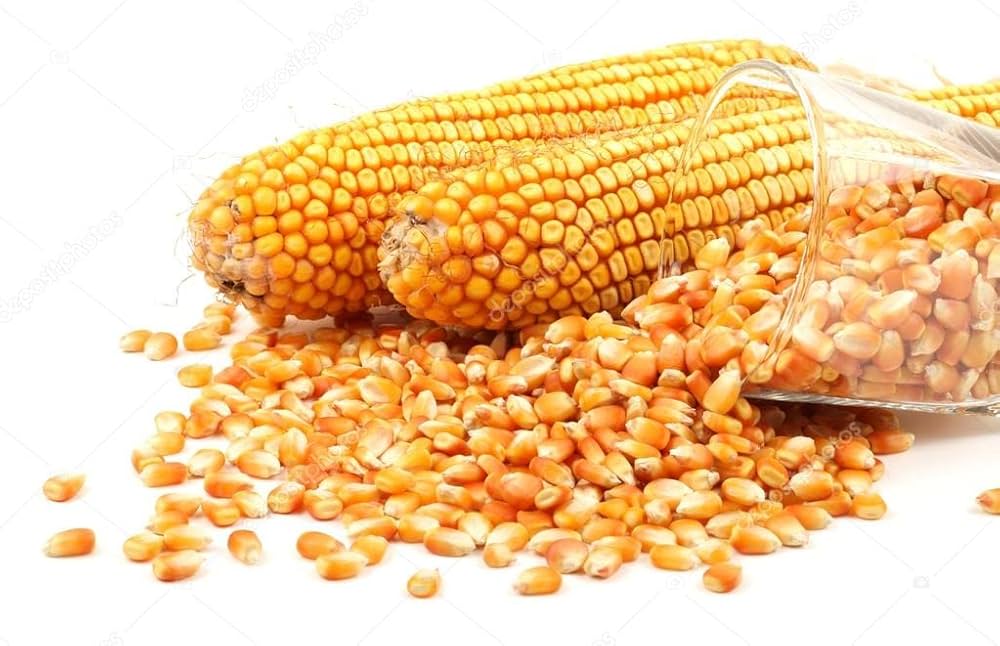
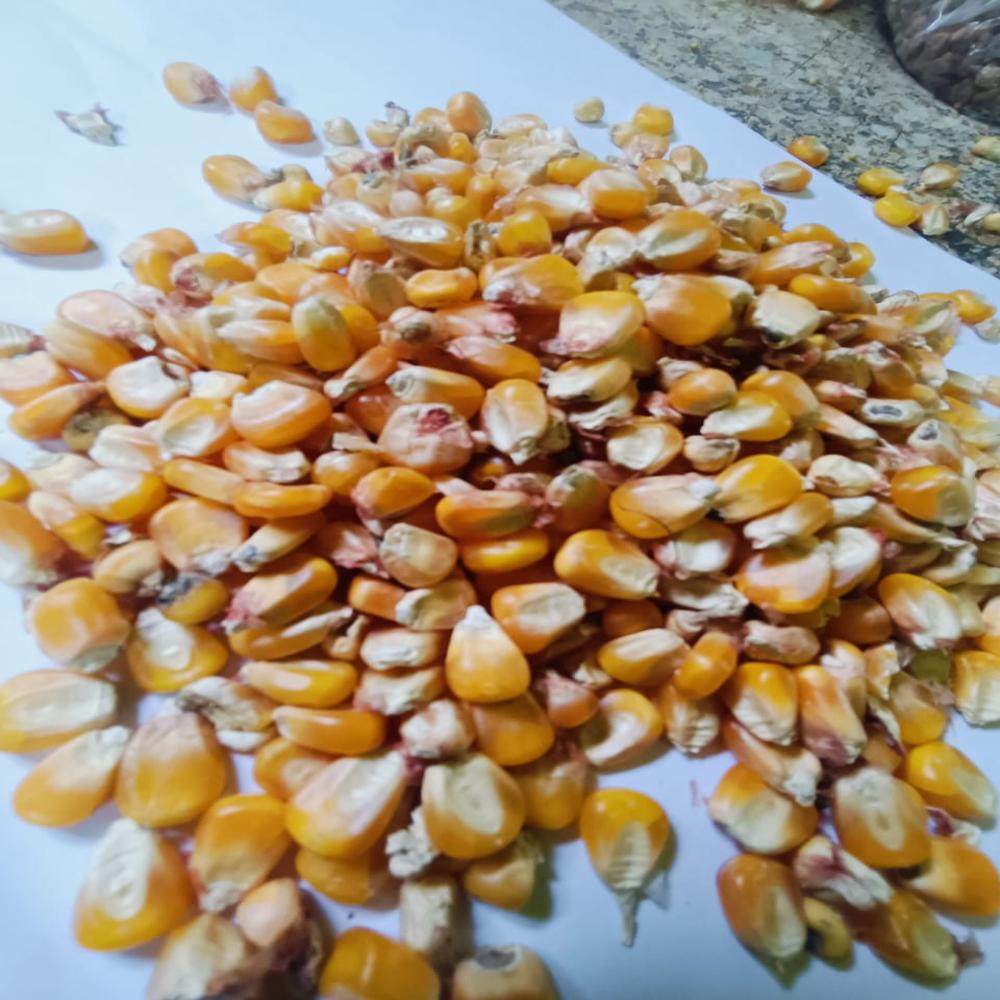
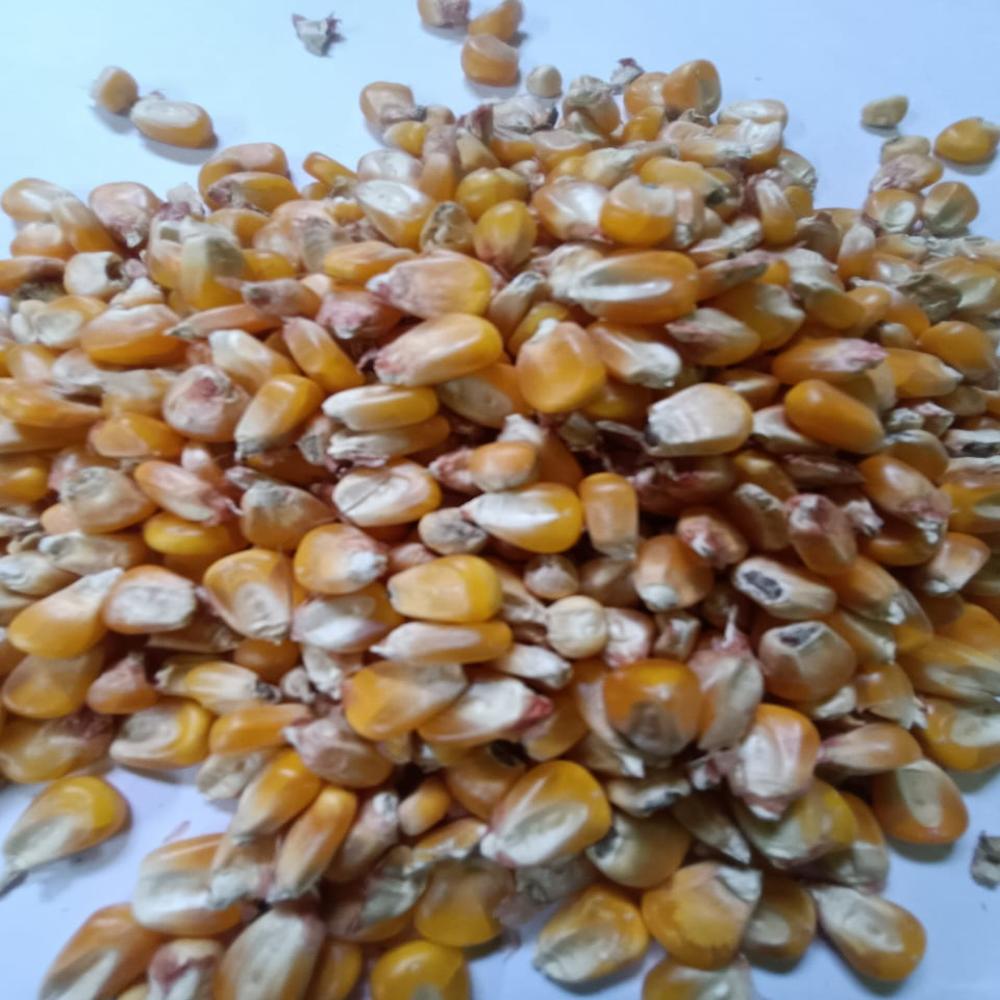
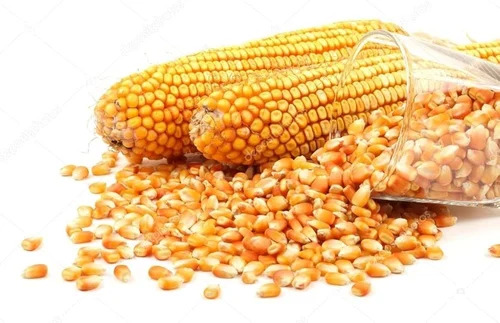
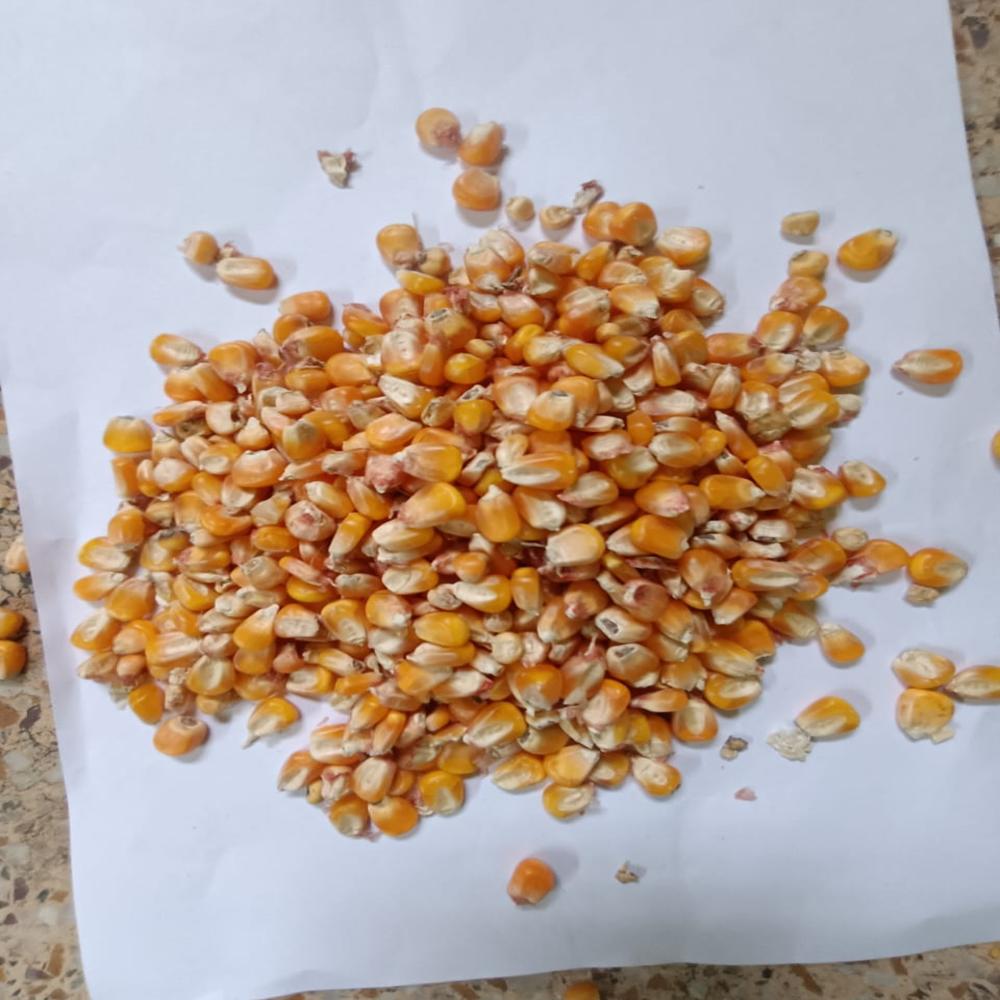
Yellow corn, also known as maize, is a staple grain that is widely cultivated and consumed around the world. It belongs to the species Zea mays and is characterized by its yellow-colored kernels, which are a result of various pigments, particularly carotenoids. Here are some key features of yellow corn:
1. Nutritional Value Yellow corn is rich in carbohydrates and provides a good source of dietary fiber, as well as essential vitamins and minerals, including B vitamins (such as niacin and thiamine) and various antioxidants.
2. Culinary Uses It is versatile in cooking and can be consumed in various forms, such as whole kernels, cornmeal, corn flour, tortillas, polenta, or popcorn. It is also used in cereals, snacks, and processed foods.
3. Agricultural Characteristics Yellow corn is typically grown in warm climates and is a major crop in the United States, Brazil, and Argentina. It requires well-drained soil and plenty of sunlight for optimal growth.
4. Uses Beyond Food In addition to human consumption, yellow corn is widely used as animal feed, and its derivatives (like corn syrup and corn oil) are prevalent in many processed food products. Corn is also utilized in biofuel production, particularly ethanol.
5. Varieties There are different varieties of yellow corn, including sweet corn (commonly eaten fresh), field corn (used primarily for animal feed and industrial products), and popcorn (which pops when heated).
Overall, yellow corn is an important agricultural product with significant economic, nutritional, and cultural value across the globe.
Organic Cultivation for Pure QualityMAKKA MAIZE is grown through organic farming methods, ensuring the maize is free from harmful chemicals and synthetic additives. The commitment to organic practices maintains the grain's nutritional integrity while supporting sustainable agriculture. With a purity of 99%, this maize is suitable for consumers looking for a healthy and environmentally conscious product.
Superior Freshness and LongevityThis maize is harvested from crops that are only a month old, promising maximum freshness. It also boasts an extended shelf life of up to 1 year when stored properly. Its low moisture and broken ratio help maintain its quality, flavor, and usability over time, making it an ideal choice for long-term storage needs.
FAQ's of MAKKA MAIZE:
Q: How is MAKKA MAIZE processed to maintain its quality and purity?
A: MAKKA MAIZE undergoes careful processing starting from organic cultivation. After harvesting, the maize is cleaned to remove impurities, achieving a high purity of 99%. Stringent quality checks help minimize broken grains to 5% and regulate moisture at 14%, ensuring the maize stays fresh and safe for consumption.
Q: What are the primary uses for MAKKA MAIZE in culinary or industrial settings?
A: MAKKA MAIZE is versatile and can be used in various culinary preparations such as flour, animal feed, or as a direct ingredient in snacks and processed foods. It is also well-suited for industrial applications, particularly in the starch industry due to its high purity and consistent quality.
Q: When is the best time to use MAKKA MAIZE for optimal freshness?
A: MAKKA MAIZE from the latest crop year (just 1 month old) ensures the freshest product possible. For peak flavor and nutritional value, it is recommended to use the maize within its one-year shelf life and store it in a cool, dry place.
Q: Where is MAKKA MAIZE produced and supplied from?
A: This maize is cultivated, processed, and supplied by leading manufacturers, suppliers, and traders based in India. The region is known for its fertile farmland and established expertise in organic maize production.
Q: What benefits does MAKKA MAIZE provide over regular maize varieties?
A: MAKKA MAIZE stands out for its high purity (99%), organic cultivation, and low levels of broken grains and admixture. Its reliable shelf life and freshness make it a superior choice for health-conscious consumers and industries seeking consistent quality.
Q: How should MAKKA MAIZE be stored to maintain its shelf life and quality?
A: To retain its freshness and prevent spoilage, MAKKA MAIZE should be stored in an airtight container in a dry, cool location, away from direct sunlight and moisture. Proper storage can help maximize its shelf life to a full year.






 Send Inquiry

 Send Inquiry
 Send Inquiry
 Send SMS