About MAIZE VUTTA
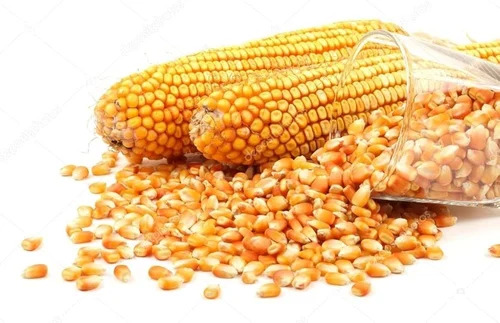
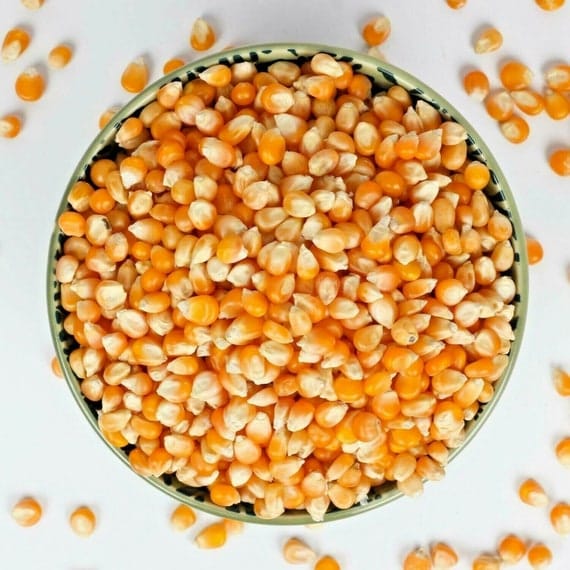
Yellow corn, also known as maize, is a staple grain that is widely cultivated and consumed around the world. It belongs to the species Zea mays and is characterized by its yellow-colored kernels, which are a result of various pigments, particularly carotenoids. Here are some key features of yellow corn:
1. Nutritional Value Yellow corn is rich in carbohydrates and provides a good source of dietary fiber, as well as essential vitamins and minerals, including B vitamins (such as niacin and thiamine) and various antioxidants.
2. Culinary Uses It is versatile in cooking and can be consumed in various forms, such as whole kernels, cornmeal, corn flour, tortillas, polenta, or popcorn. It is also used in cereals, snacks, and processed foods.
3. Agricultural Characteristics Yellow corn is typically grown in warm climates and is a major crop in the United States, Brazil, and Argentina. It requires well-drained soil and plenty of sunlight for optimal growth.
4. Uses Beyond Food In addition to human consumption, yellow corn is widely used as animal feed, and its derivatives (like corn syrup and corn oil) are prevalent in many processed food products. Corn is also utilized in biofuel production, particularly ethanol.
5. Varieties There are different varieties of yellow corn, including sweet corn (commonly eaten fresh), field corn (used primarily for animal feed and industrial products), and popcorn (which pops when heated).
Overall, yellow corn is an important agricultural product with significant economic, nutritional, and cultural value across the globe.
Sustainably Cultivated Organic MaizeOur MAIZE VUTTA is organically grown in India, adhering to sustainable agricultural principles. This ensures the grain is free from harmful chemicals and supports environmental health. You receive a product that is both responsible and high-quality, ideal for conscious consumers and businesses alike.
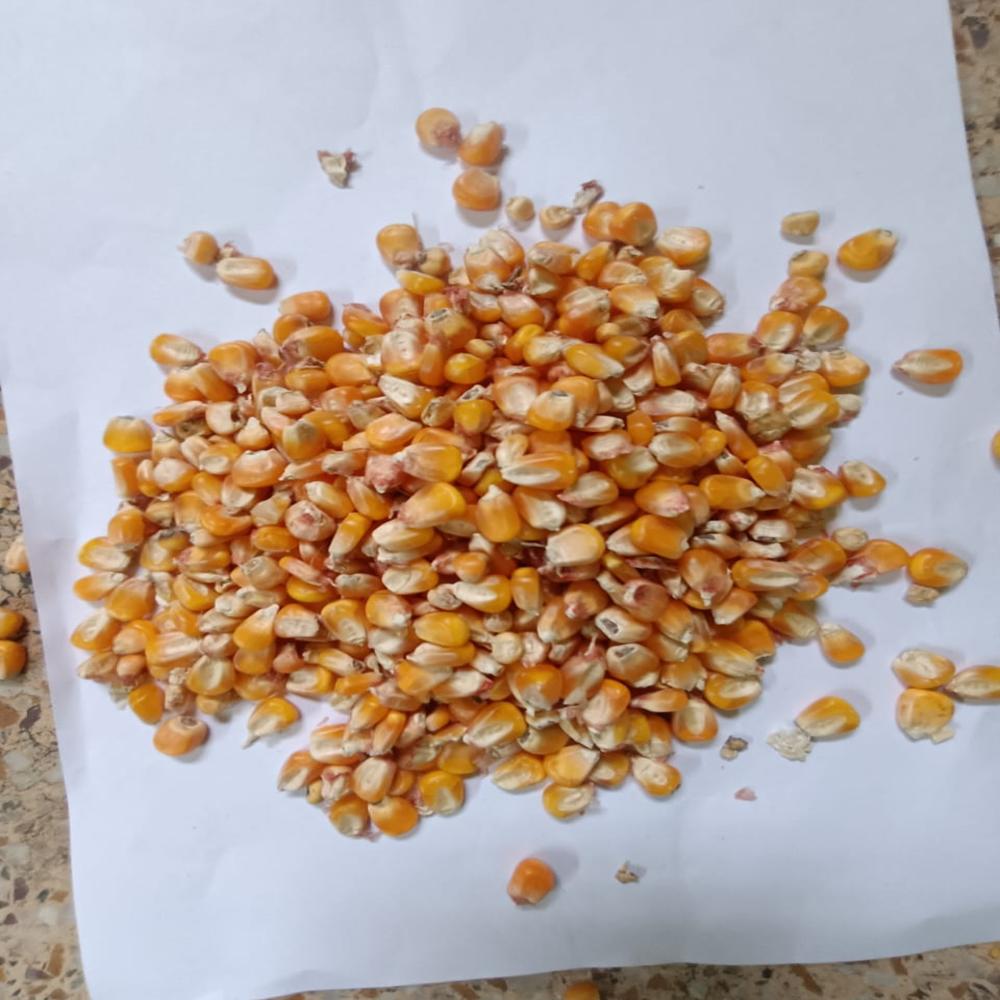
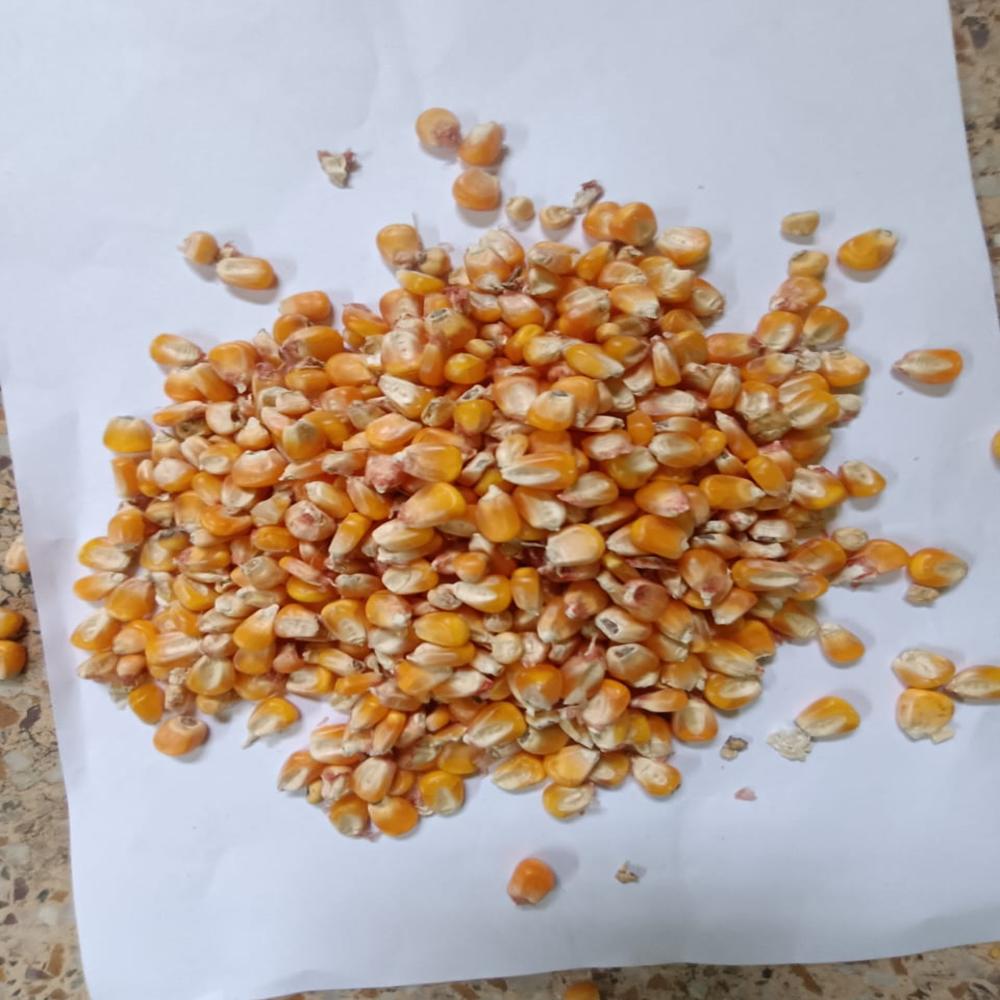
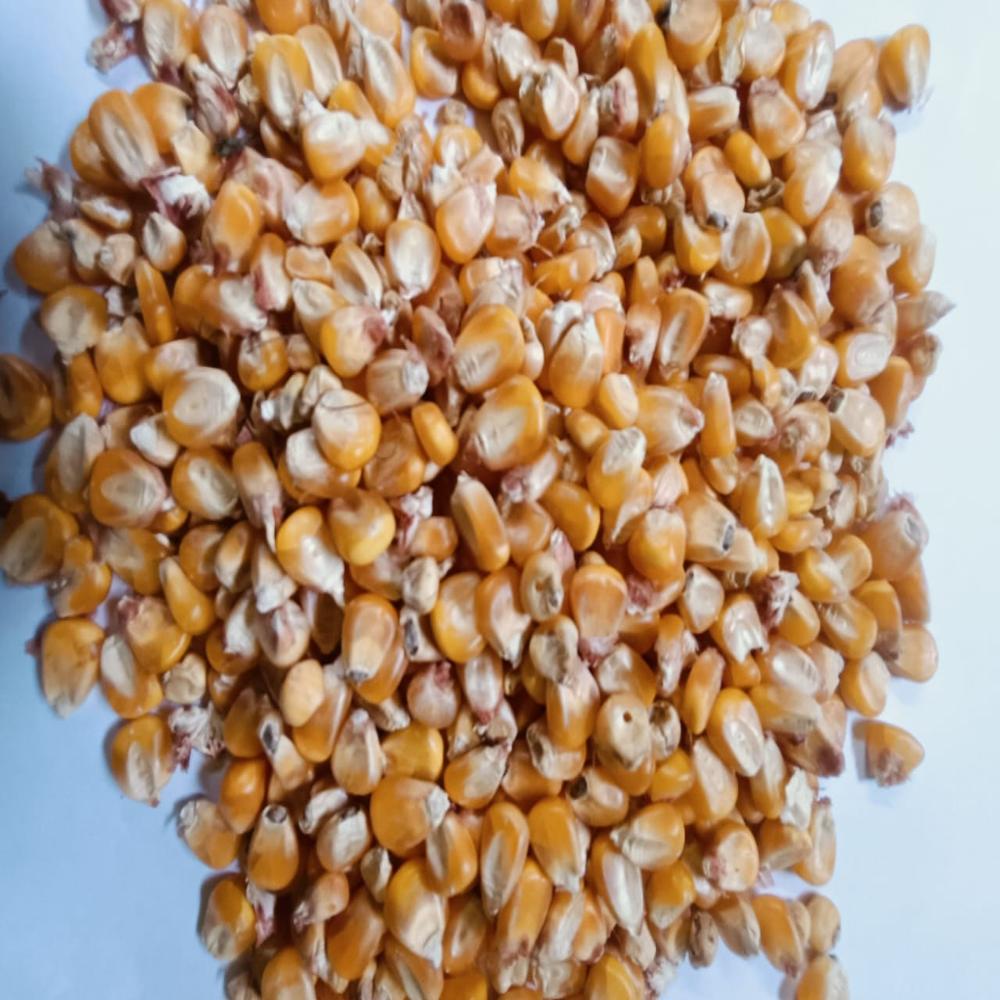
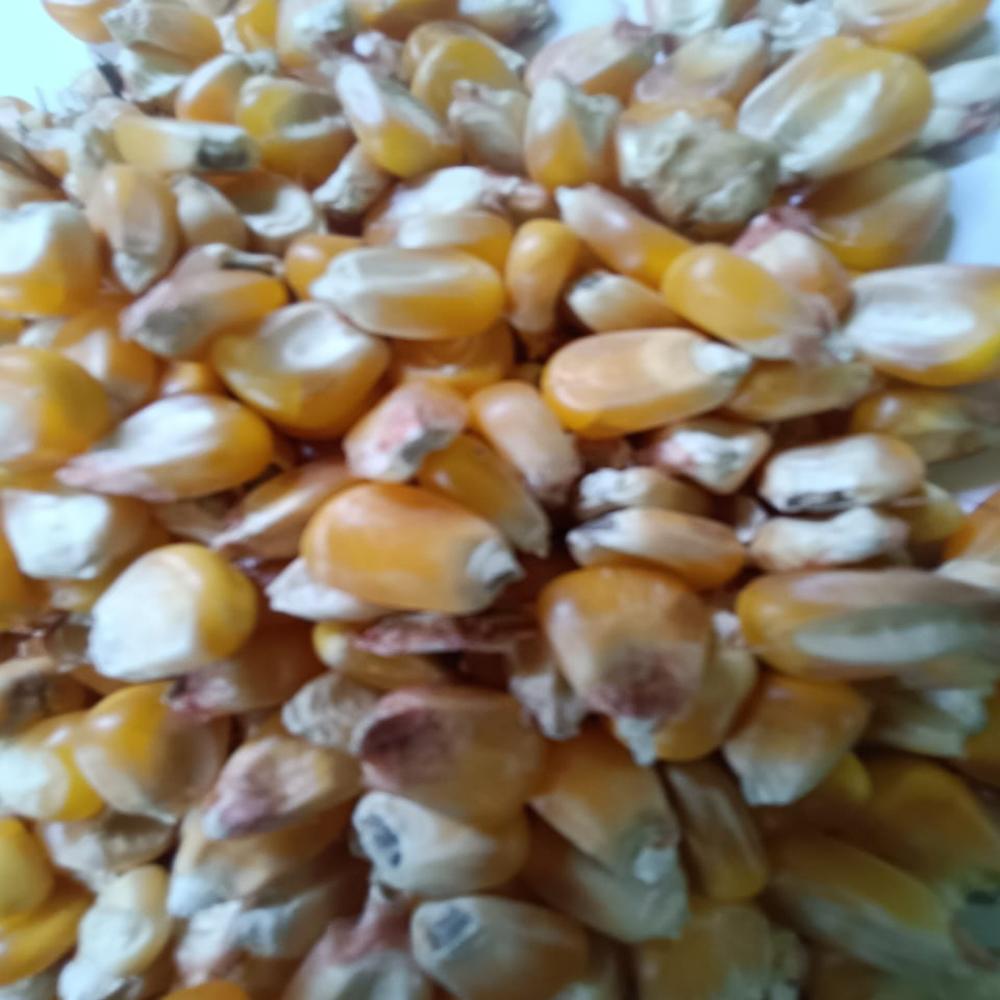
Stringent Processing for Maximum PurityWith an impressive purity rating of 99.99%, this maize has undergone rigorous sorting and drying processes. A controlled moisture level of 14% and minimal broken grains deliver freshness and consistency. Such standards make MAIZE VUTTA highly reliable for food producers and bulk buyers.
FAQ's of MAIZE VUTTA:
Q: How is MAIZE VUTTA processed to ensure high quality?
A: MAIZE VUTTA is dried shortly after harvesting to maintain freshness and set moisture content at 14%. The grains are carefully cleaned and sorted, ensuring a broken kernel ratio of only 5% and an impressive purity of 99.99%.
Q: What are the main uses of MAIZE VUTTA?
A: MAIZE VUTTA is versatile, suitable for culinary purposes such as flour, porridges, and snacks. Its high purity and organic cultivation also make it appropriate for industrial applications and poultry feed.
Q: When is MAIZE VUTTA typically harvested and packaged?
A: The maize is harvested during the latest crop year, ensuring it is not older than 1 month at the time of processing. It is then dried and packaged promptly to preserve its quality and shelf life.
Q: Where is MAIZE VUTTA sourced and manufactured?
A: MAIZE VUTTA is sourced, processed, and supplied from India, where it is cultivated using organic farming methods and stringent quality controls by reputable manufacturers and suppliers.
Q: What are the benefits of choosing organic MAIZE VUTTA?
A: Organic MAIZE VUTTA is free from synthetic pesticides and fertilizers, making it safer for consumption. It also supports sustainable farming practices and offers superior flavor and nutritional value.
Q: How should MAIZE VUTTA be stored to maximize shelf life?
A: Store MAIZE VUTTA in a cool, dry place within a sealed container. Proper storage helps maintain its shelf life of up to 1 year, preserves the yellow color, and prevents spoilage due to moisture.






 Send Inquiry

 Send Inquiry
 Send Inquiry
 Send SMS