About KALONJI SEEDS
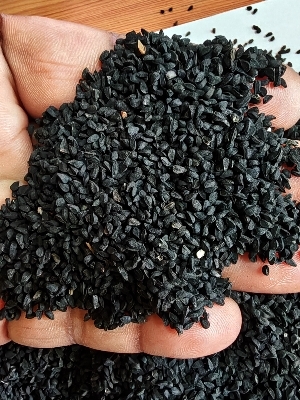
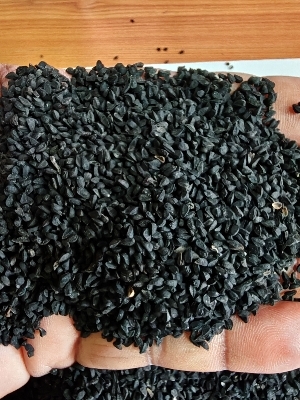
Kalonji, also known as Nigella seeds (Nigella sativa), has a long history as a culinary spice and traditional medicinal plant. Ancient origins: Nigella sativa is native to parts of Southwest Asia and the Mediterranean region and has been cultivated for centuries. Ancient Egypt: Nigella seeds have been associated with ancient Egyptian culture, and seeds have reportedly been found in archaeological contexts, including material associated with Egyptian burials. Ancient Greece: Greek physicians wrote about Nigella sativa and related plants, particularly regarding their traditional medicinal uses. Islamic history: Nigella is mentioned in Islamic traditional medicine, where it became known as abbat al-barakah (blessed seed). It is also widely discussed in historical Islamic medical literature. South Asia: Over many centuries, kalonji became an important spice in Indian, Bengali, Pakistani, and other South Asian cuisines, especially in pickles, breads, curries, and spice mixtures. Today: Nigella seeds are mainly used as a culinary spice, while modern research continues to investigate compounds such as thymoquinone for potential biological effects. Note: Some popular claims about kalonji being a cure for every disease come from traditional sources and should not be treated as established medical fact.